




If you’ve glanced at your boiler and spotted the pressure gauge dropping into the red, you’re not alone. It’s one of the most common calls we get from homeowners across Wigston, and nearby areas such as Oadby and Blaby. The question usually starts the same way: “Why is my boiler losing pressure?”
Boiler pressure plays a key role in keeping your heating system running properly. Too low and your radiators may stay cold. Too high and you risk putting unnecessary strain on the system. If you’re currently dealing with this and need boiler repairs in Wigston, or the surrounding areas it helps to understand what’s going on before you pick up the phone.
Let’s break it down in plain English.
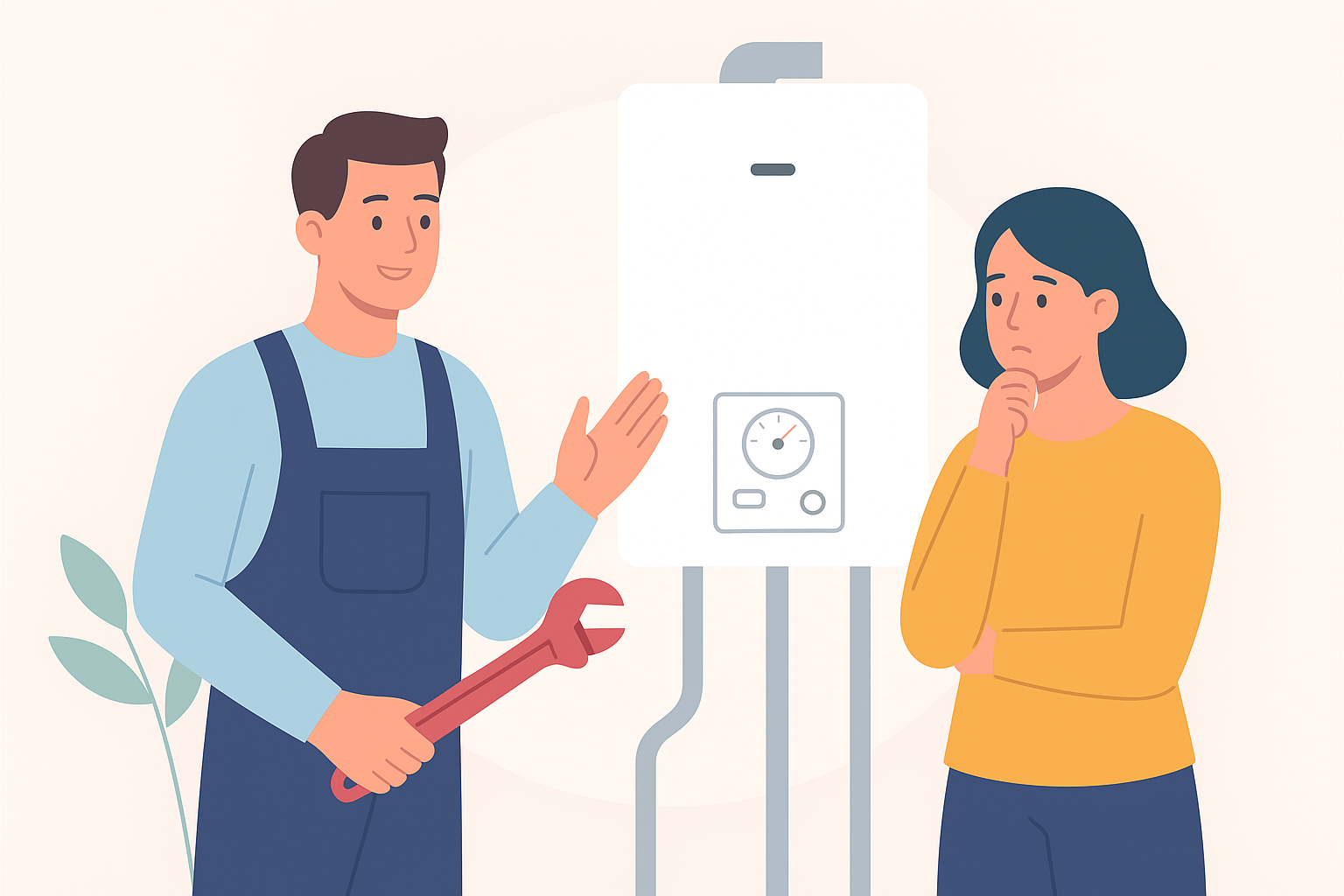
What Is Boiler Pressure and Why Does It Matter?
In simple terms, boiler pressure is the force of the water circulating through your heating system. On most modern combi boilers, you’ll see a small gauge on the front. When the heating is off and the system is cold, the needle should usually sit between 1 and 1.5 bar.
If it drops much below 1 bar, your boiler may shut itself off as a safety measure. That’s when the house starts to feel chilly and the hot water can become unreliable.
A slight drop over several months is completely normal. But if you’re topping it up every few weeks, there’s likely something else going on.
Common Causes of Boiler Pressure Loss
1. Leaks in the System
This is the big one. Even a very small leak anywhere in the pipework, radiators or inside the boiler itself can cause pressure to fall.
We’ve been to homes in Oadby where the only sign was a tiny damp patch under a radiator valve. In Blaby, it’s sometimes pipework under floorboards slowly dripping without the homeowner realising. Over time, that lost water means lost pressure.
Signs to look for:
- Damp patches on carpets or flooring
- Water stains near radiators
- Dripping from radiator valves
- A visible leak from the boiler itself
2. Bleeding Radiators
If you’ve recently bled your radiators to get rid of cold spots, that can cause pressure to drop. When you release trapped air, you also reduce the overall pressure in the system.
This one is straightforward and usually fixed by topping the boiler back up using the filling loop. If the pressure holds steady afterwards, there’s no bigger issue.
3. A Faulty Pressure Relief Valve
The pressure relief valve is there to protect your boiler if the pressure gets too high. But if it becomes faulty or gets debris caught in it, it might start releasing water when it shouldn’t.
You might notice water dripping outside from the copper overflow pipe. If that pipe is constantly dripping, especially after the heating’s been on, it’s worth getting it checked.
4. A Problem with the Expansion Vessel
The expansion vessel helps manage pressure changes as water heats up and expands. If it loses its air charge or fails completely, you’ll often see pressure rise quickly when the heating’s on and then drop sharply when it cools down.
This isn’t something most homeowners can fix themselves and will need a heating engineer.
How to Fix Low Boiler Pressure Safely at Home
If the pressure has dipped below 1 bar and there’s no obvious leak, you can usually repressurise the system yourself.
Most combi boilers have a filling loop underneath. It’s typically a silver flexible hose with a valve at each end. Opening those valves slowly allows mains water into the system.
Here’s the safe way to do it:
- Make sure the boiler is off and cool
- Open the filling loop valves slowly
- Watch the pressure gauge as it rises
- Close the valves once it reaches around 1 to 1.5 bar
Do not overfill it. Going above 2 bar when cold can cause other problems.
If you top it up and the pressure drops again within days, that’s when you need to look at possible leaks or faulty components. Our service and repairs team deals with this sort of issue day in, day out.
When to Call a Professional Heating Engineer
There’s a difference between a one-off pressure drop and an ongoing issue.
You should call an engineer if:
- You’re topping up the boiler regularly
- You can see or hear water leaking
- The pressure rises too high when the heating’s on
- Your boiler keeps shutting down
Modern boilers have built-in safety features and error codes. If yours is flashing a fault code after a pressure drop, it’s best not to ignore it.
Across Wigston and the surrounding areas, we often find the cause is something simple once properly diagnosed. Catching it early usually prevents a more expensive repair later.
Preventing Future Pressure Drops with Regular Maintenance
The best way to avoid recurring pressure problems is regular servicing. Annual boiler servicing allows an engineer to check seals, valves and the expansion vessel before they cause trouble.
It’s a bit like an MOT for your heating. Small adjustments and checks now can save you from waking up to no heating in the middle of a January cold snap.
If you live in Wigston, Oadby or Blaby, keeping your system in good shape is especially important during those damp, cold Midlands winters when boilers are working their hardest.
At the end of the day, pressure loss is common and usually fixable. If you’re unsure what’s causing it or would rather have it looked at properly, Smart Energy and Heating’s, gas safe engineers in Wigston can diagnose the issue and get your system back to normal without any fuss.