




If you have never had a new boiler fitted before, it is completely normal to feel unsure about what actually happens on the day. Most people only replace a boiler once every 10 to 15 years, so it is not something you become familiar with. As a boiler engineer, one of the first things I do is talk customers through the process so they know exactly what to expect.
Whether you are a homeowner or a landlord, understanding the installation process helps you feel more in control. It also means fewer surprises and a smoother experience from start to finish.
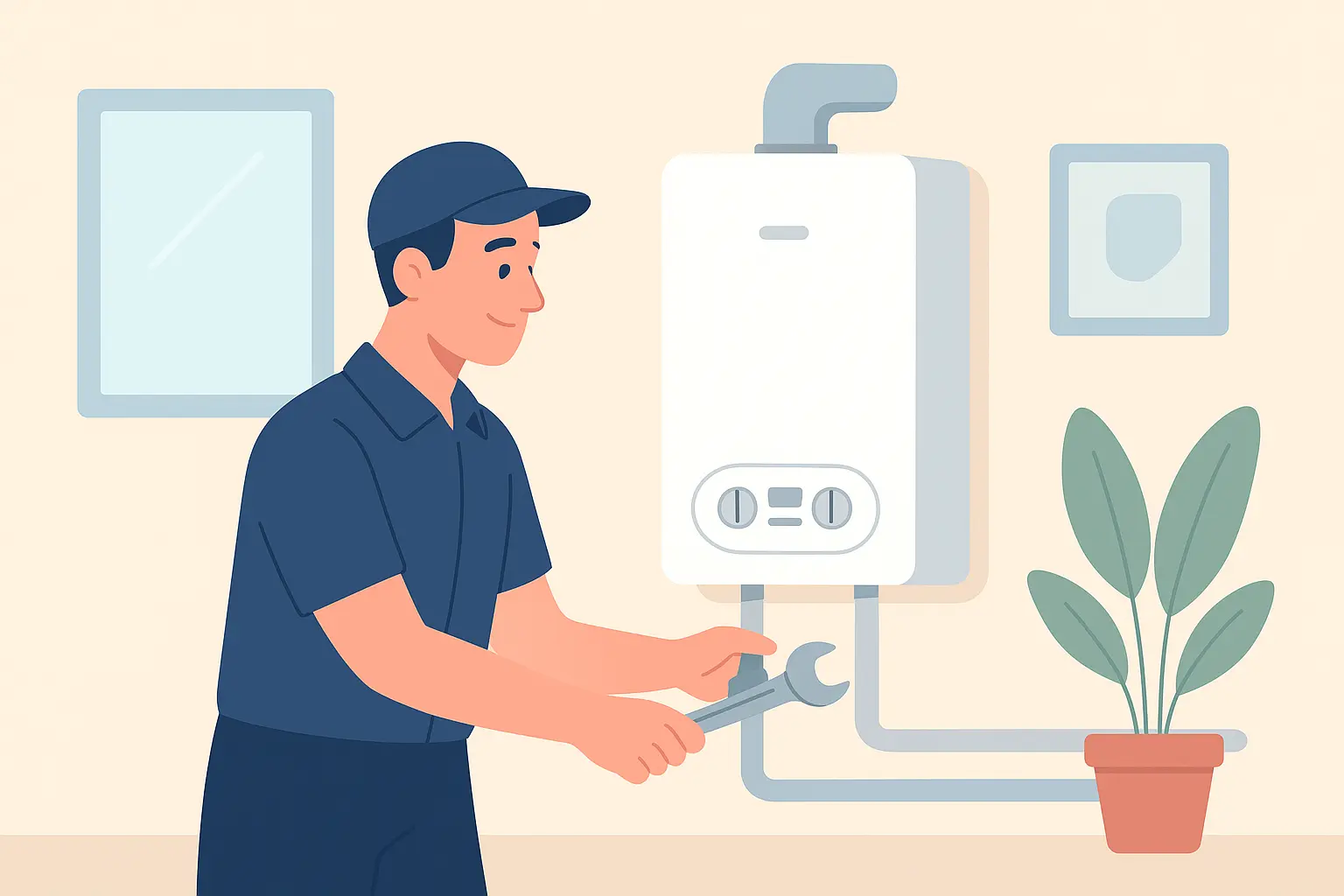
Why Understanding the Installation Process Matters
A boiler is not just another appliance. It is at the heart of your heating and hot water system. When it is being replaced, parts of your home will be affected for a day or two. Water will be off at certain times, radiators may be drained down and there will be tools and equipment around.
When customers in places like Market Harborough, Wigston and Lutterworth understand the steps beforehand, the day runs far more smoothly. You know when you will have heating back on and how long the hot water will be off.
Initial Survey and Choosing the Right Boiler
Every proper installation starts with a home survey. This is not just a quick glance at your old boiler. A good engineer will look at:
- The size of your property
- The number of bathrooms
- Your current pipework and radiators
- Water pressure and flow rate
- Flue position and ventilation
A common question I get is, “Can I just swap like-for-like?” Sometimes you can. Other times, especially if your old boiler was undersized or inefficient, it is worth upgrading to something better suited to your household.
You will also talk through whether you want a combi, system or regular boiler. The right choice depends on how you use hot water day to day. For example, a busy family with two showers being used at once might need a different setup compared to a small flat with one bathroom.
Preparation: Removing the Old Boiler and System Checks
On installation day, the first job is to protect your home. Dust sheets go down and floor areas are covered. If the boiler is in a kitchen cupboard, everything around it should be cleared beforehand.
The system is then drained down. This can take a bit of time depending on how large the system is and how much water is in the radiators. Once drained, the old boiler is disconnected safely from the gas, water and electrics and then removed.
Before fitting the new boiler, we check the condition of the system. If the water in the system is dirty or sludged up, a power flushing treatment may be recommended. There is no point fitting a brand new appliance onto a system full of debris. It can shorten the life of the new boiler.
Step-by-Step Boiler Installation Process
Once everything is prepared, the new boiler goes in. The exact steps vary depending on whether it is a straightforward swap or a full system change, but generally the process looks like this:
- Mounting the new boiler securely to the wall
- Connecting pipework for heating flow and return
- Connecting hot and cold water supplies if required
- Installing or adjusting the flue
- Connecting the gas supply in line with regulations
- Wiring the boiler to the electrics and controls
If you are upgrading your controls at the same time, perhaps to a smart thermostat, that will also be installed and set up. Good heating controls can make a noticeable difference to running costs.
In some homes, especially older terraces, pipework may need slight alterations. That is fairly common and nothing to worry about. It is part of making sure the system works efficiently and safely.
System Testing, Safety Checks and Handover
Once the boiler is physically installed, the system is refilled with water and pressurised. Then comes the testing stage.
We check for leaks, test the gas pressure, ensure the flue is sealed correctly and carry out full safety checks. The boiler settings are adjusted to suit your home and the radiators are balanced so heat is distributed evenly.
This is also when we add inhibitor to protect the system from internal corrosion. It is a small detail that makes a big difference long term.
Finally, you should receive a proper handover. That includes:
- Registering the boiler warranty
- Notifying Building Control where required
- Explaining how to use the controls
- Showing you how to check the pressure
I always encourage customers to ask questions at this stage. It is far better to ask on the day than to be unsure later when the temperature drops in November and you are staring at a display screen.
Post-Installation Tips and Ongoing Maintenance
Once your boiler is in, looking after it properly will help it last. The most important step is an annual service. This keeps the warranty valid and ensures everything is running safely. Many homeowners choose a service plan so they do not forget.
If you ever notice unusual noises, pressure loss or error codes, get it checked sooner rather than later. Small issues are usually straightforward to fix during a routine visit or a call-out for service and repairs.
It is also worth bleeding radiators if you notice cold spots and keeping an eye on system pressure every few months. None of this takes long but it keeps things running smoothly.
For homeowners and landlords across Leicestershire, having the right team makes all the difference. At the end of the day, a boiler installation should feel organised, safe and well explained. If you are thinking about replacing your boiler and want straightforward advice tailored to your home, Smart Energy and Heating can guide you through the process from survey to handover. If you would like to talk it through or arrange a visit, you can Book your boiler installation today.
A little clarity goes a long way. When you know what is happening and why, a boiler installation becomes far less daunting and just another step towards a warmer, more efficient home.